
By Jennifer Jordan | Charleston Housing News
After months of public debate and years of planning, the Mount Pleasant Town Council voted Tuesday night to preserve municipal consent for Charleston County’s proposed Highway 41 expansion, allowing one of the Lowcountry’s most controversial transportation projects to continue moving forward.
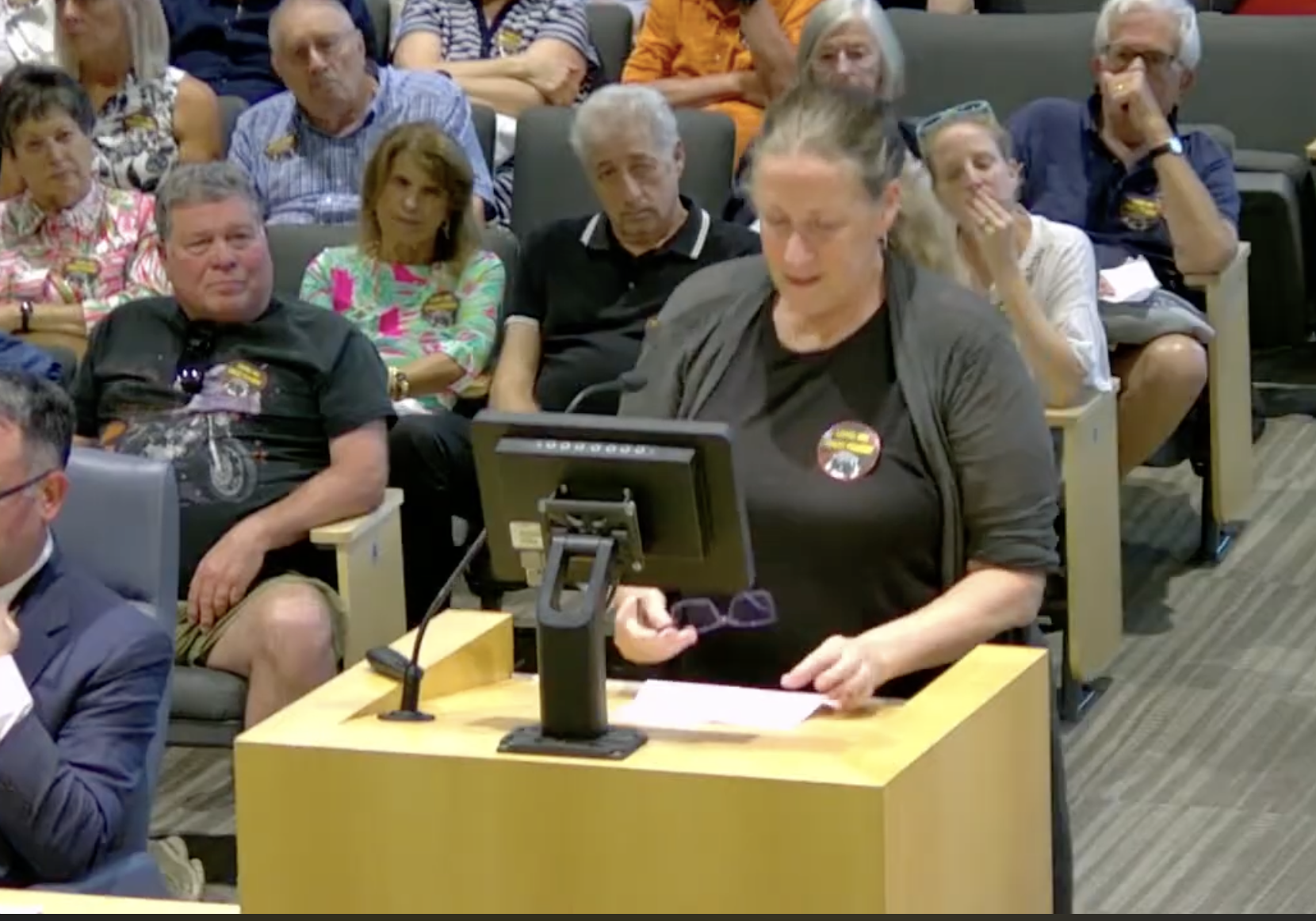
The decision followed more than four hours of public testimony from residents, engineers, elected officials, environmental advocates and representatives of the Phillips Community. Council ultimately voted 5-4 against revoking municipal consent, followed by approval allowing Charleston County to proceed with its revised “Road to Compromise” design.
A Community Divided
Few infrastructure projects in recent Charleston history have generated as much public opposition from multiple perspectives.
Residents from Dunes West, Rivertowne and Park West largely emphasized worsening traffic congestion, emergency response delays and daily quality-of-life concerns caused by Highway 41’s existing two-lane bottleneck. Others argued that any expansion cutting through Laurel Hill County Park would permanently damage protected green space purchased with taxpayer dollars.
Meanwhile, residents and advocates for the historic Phillips Community continued expressing concerns that previous widening proposals would disproportionately impact one of South Carolina’s historically significant African-American settlement communities.
The county’s revised design attempts to balance those competing interests by avoiding a four-lane expansion directly through the Phillips Community while introducing a new roadway connection through a portion of Laurel Hill County Park.
Why Council Faced Such a Difficult Decision
Much of Tuesday’s debate centered around a difficult reality facing town leaders.
Charleston County officials warned that rejecting municipal consent could jeopardize approximately $245 million in transportation funding assembled through years of planning, state partnerships and infrastructure financing.
Supporters of the compromise argued that after nearly a decade of engineering, environmental studies and public meetings, delaying the project further could leave the region with no meaningful traffic improvements while potentially losing available funding.
Opponents countered that preserving funding should not outweigh concerns regarding environmental impacts, future traffic capacity or long-term planning.
Traffic Pressures Continue to Grow
One fact received little disagreement throughout the evening.
The Highway 41 corridor is expected to experience significantly more traffic in coming years as development continues throughout northern Mount Pleasant and the Cainhoy area.
Engineering presentations referenced thousands of existing homes already added nearby along with many more planned residential units expected over the coming decades. Without improvements, traffic congestion is projected to worsen substantially, particularly during peak commuting hours.
Engineers told council that simply widening portions of Highway 41 without constructing the Laurel Hill connector would not adequately address future traffic demand and could result in continued operational failures only a few years after completion.
Critics challenged both the assumptions behind those traffic models and whether projected driver behavior will actually match engineering forecasts.
Environmental Concerns Remain
Environmental preservation remained one of the meeting’s dominant themes.
Residents opposing the compromise argued that constructing a roadway through Laurel Hill County Park would remove mature trees, disturb wetlands and permanently alter public green space intended for conservation.
County representatives maintained that only a small percentage of the park would ultimately be affected and emphasized that existing trail systems would remain intact.
Those competing viewpoints illustrate one of the project’s greatest challenges: balancing regional transportation needs with long-term environmental preservation.
Phillips Community Continues to Shape the Conversation
Historic preservation also remained central throughout the discussion.
Community leaders reminded council that the Phillips Community represents generations of African-American families with deep historical roots in eastern Charleston County.
Supporters of the county compromise argued that avoiding a four-lane expansion directly through Phillips better protects the community while still providing transportation improvements elsewhere along the corridor.
Others questioned whether the compromise simply shifts impacts from one valued public asset to another.
Real Estate Implications
Transportation projects of this magnitude often influence nearby housing markets for years.
Improved traffic flow can increase accessibility and reduce commuting times for neighborhoods like Dunes West, Rivertowne and Park West, factors many buyers consider when evaluating where to purchase a home.
At the same time, buyers increasingly pay attention to environmental preservation, protected green space and community character. Those amenities frequently contribute to long-term neighborhood desirability and property values.
The Highway 41 project reflects the increasingly difficult balancing act facing fast-growing Charleston-area communities: accommodating population growth while preserving the very qualities that attracted residents in the first place.
What’s Next?
With municipal consent remaining in place, Charleston County can continue advancing the project through its remaining engineering, permitting and construction phases.
Although Tuesday’s vote settles one major procedural hurdle, it is unlikely to end public debate. Residents on every side of the issue made clear that Highway 41 represents far more than a transportation project. For many, it has become a broader conversation about growth, environmental stewardship, historic preservation and how Charleston County should manage one of the fastest-growing regions in South Carolina.
Whether the compromise ultimately delivers meaningful congestion relief—or simply postpones larger transportation challenges—will likely remain a topic of discussion for many years after construction is complete.
Leave a Reply