

By Jennifer Jordan | Charleston Housing News
After years of relentless seller dominance, the U.S. housing market is beginning to shift — and Charleston may not be far behind.
New national data shows that more than 60% of major housing markets are now either balanced or leaning toward buyers, a significant change from the frenzied, seller-driven conditions that defined the past several years. While Charleston is not fully in buyer’s market territory, the early signs of a shift are becoming increasingly difficult to ignore.

A National Shift — With Local Implications
Across the country, rising inventory and slightly easing mortgage rates are giving buyers something they haven’t had in years: leverage.
In many Sun Belt cities — including markets like Atlanta, Nashville, and Tampa — builders responded aggressively to pandemic demand, adding supply that is now softening conditions. Homes are sitting longer. Price reductions are becoming more common. Negotiations are back.
Charleston, however, operates a little differently.
While it shares some of the same growth dynamics, its supply constraints — geographic, regulatory, and economic — have slowed how quickly inventory can catch up.
What’s Happening in Charleston Right Now

6
Locally, the market is not flipping overnight — but it is evolving.
1. Inventory Is Building — But Not Everywhere
In areas like:
- Summerville
- Goose Creek
- Clements Ferry / Cainhoy corridor
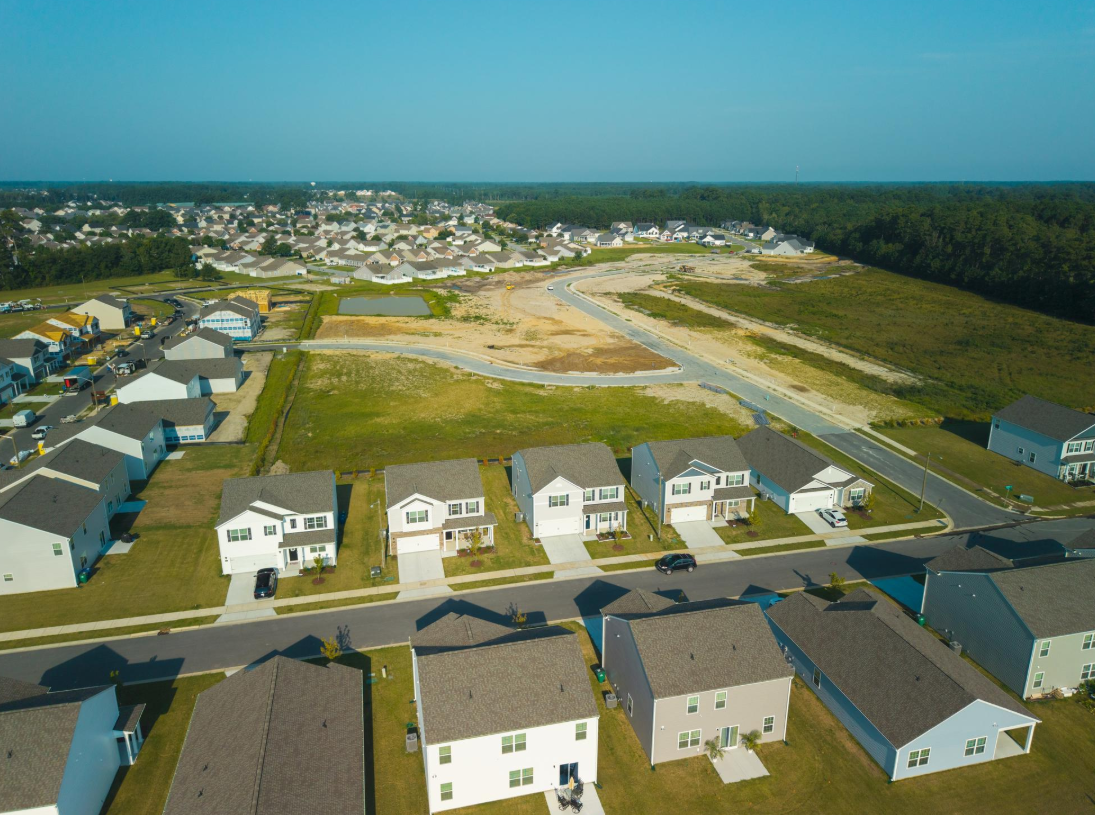
new construction and resale listings are starting to accumulate. Buyers are seeing more choices, and in some cases, homes are taking longer to sell than they did even 12 months ago.
But in:
- Mount Pleasant
- Downtown Charleston
- Isle of Palms and Sullivan’s Island
inventory remains extremely tight, and competition is still strong — particularly at higher price points and in desirable locations.
2. Price Reductions Are Quietly Increasing
While Charleston has not experienced broad price declines, there is a noticeable increase in:
- Price adjustments
- Seller concessions
- Days on market
These are classic early indicators of a market moving toward balance.
3. Buyers Are Regaining Options
For the first time in years, buyers in certain segments are able to:
- Negotiate price or terms
- Request repairs or concessions
- Avoid waiving contingencies
That doesn’t mean it’s easy — but it does mean it’s no longer one-sided.
The Reality: Charleston Is a Patchwork Market
One of the biggest mistakes buyers and sellers can make right now is assuming the market behaves the same everywhere.
It doesn’t.
Charleston has become a hyper-localized market, where conditions vary dramatically by:
- Neighborhood
- Price point
- Property type
For example:
- Entry-level homes under $500K remain highly competitive
- Mid-range suburban homes are showing signs of softening
- Luxury waterfront properties often operate in a completely separate market dynamic
Why Charleston Isn’t Fully a Buyer’s Market Yet
Despite national trends, Charleston still has structural advantages that prevent a rapid shift:
Limited Land and Geography
Unlike sprawling metros in Texas or Florida, Charleston’s growth is constrained by:
- Waterways
- Protected land
- Infrastructure limitations
Continued In-Migration
Buyers from higher-cost states continue to move into the region, often bringing:
- Cash
- Equity
- Higher income levels
Lifestyle Demand
Charleston’s appeal isn’t just economic — it’s lifestyle-driven. That keeps demand more resilient than many other markets.
What This Means for Buyers and Sellers
For Buyers
This may be the most balanced opportunity window seen in years.
- More inventory = more choice
- Longer days on market = less pressure
- Slightly improved financing conditions
But waiting too long could still be risky — especially in high-demand areas.
For Sellers
The strategy has changed.
- Pricing correctly matters more than ever
- Overpricing will lead to stagnation
- Marketing quality is becoming a differentiator again
The days of simply listing and expecting multiple offers immediately are fading in many segments.
The Bottom Line
Charleston isn’t a buyer’s market — yet.
But it’s no longer the extreme seller’s market it was.
Instead, it’s entering a transitional phase — one where:
- Buyers have more say
- Sellers need more strategy
- And outcomes depend heavily on location and pricing
As national trends continue to shift, Charleston will likely follow — just on its own timeline.
And in a market like this, understanding the nuance isn’t just helpful.
It’s essential.
Leave a Reply