
By Jennifer Jordan | Charleston Housing News
Charleston’s push to solve its housing affordability crisis is entering a new phase—and like many major urban initiatives, it’s exposing the delicate balance between growth, infrastructure, and everyday functionality.
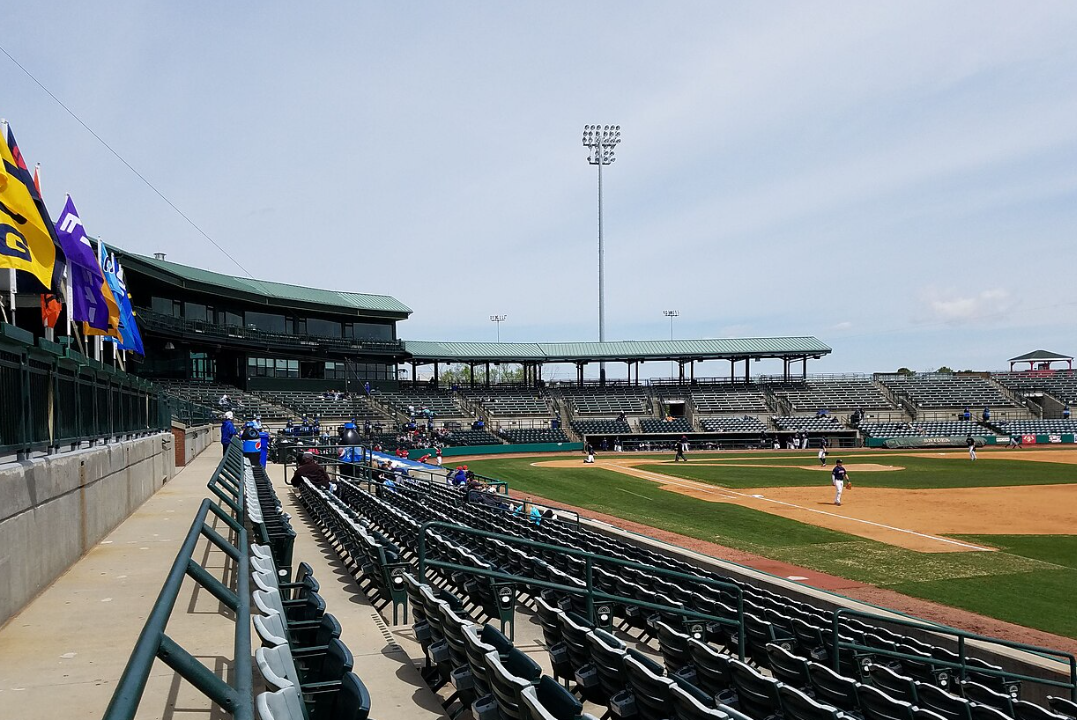
At the center of the latest debate is a large surface parking lot at the corner of Hagood Avenue and Fishburne Street, just steps from Joseph P. Riley Jr. Park—known to locals simply as “The Joe.” City leaders have proposed transforming the 1,200-space lot into a mixed-income housing development as part of the broader Project 3500 initiative, which aims to add thousands of affordable and workforce housing units across the peninsula over the next decade.
On paper, the move makes sense. Charleston continues to struggle with a lack of attainable housing for its workforce, particularly those employed in the medical district and service sectors. Creating housing within proximity to jobs has long been viewed as a key strategy to reduce congestion, improve quality of life, and stabilize the local economy.
But as the plan gains traction, a second issue has come into focus—one that Charleston has historically struggled to solve: parking.
A Critical Piece of Downtown Infrastructure
The Hagood lot isn’t just another underutilized parcel. It plays a central role in supporting multiple major destinations, including:
- Charleston RiverDogs games at The Joe
- Events at The Citadel’s Johnson Hagood Stadium
- Daily commuter parking for MUSC employees
For many, it functions as a logistical hub rather than just a parking area.
RiverDogs leadership has expressed support for the city’s housing goals, but not without concern. The potential loss of this lot creates real questions about how fans, employees, and visitors will access the area moving forward.
The Citadel, which has long-standing agreements tied to parking access in the area, also relies on the site during large-scale events. Meanwhile, nearby neighborhoods are bracing for what could become a ripple effect if replacement parking isn’t properly addressed.
The Bigger Picture: Housing vs. Functionality
City officials argue that the long-term benefits of the development outweigh the short-term disruption. One of the core ideas behind the project is to house workers closer to where they work, particularly those currently commuting into downtown and relying on parking infrastructure like the Hagood lot.
If successful, this could reduce:
- Traffic congestion
- Daily commuting volume
- Dependence on large surface parking lots
But that outcome depends heavily on execution.
There are early discussions about expanding public transit options, including CARTA service and the planned Lowcountry Rapid Transit system. Additionally, city leaders have pointed out that several downtown parking garages remain underutilized and could absorb some of the displaced demand during events.
Still, for residents and stakeholders, those solutions feel conceptual rather than immediate.
Searching for Replacement Solutions
To bridge the gap, Charleston is actively evaluating alternative parking strategies.
Among the ideas under consideration:
- Construction of new structured parking near the stadium corridor
- Utilization of existing but underused parking decks
- Shuttle systems connecting remote parking areas to key destinations
There is also a privately owned parking structure nearby that has remained largely unused, which could potentially be part of a future solution if agreements can be reached.
In the meantime, the city has emphasized that any changes to the Hagood lot will not happen overnight, allowing time to develop and implement a transition plan.
Neighborhood Concerns and Real-World Impact
For nearby residents, the concern is straightforward: spillover parking.
Even with the existing lot in place, surrounding neighborhoods already experience pressure during major events. Without a clear replacement strategy, that pressure could intensify significantly.
Some community leaders are now advocating for residential parking protections, including permit systems designed to prevent overflow into neighborhood streets.
These conversations highlight a broader truth about Charleston’s growth:
Every solution creates a secondary challenge.
A Defining Test for Charleston’s Growth Strategy
The redevelopment of the Hagood lot represents more than just a single project—it’s a test case for how Charleston manages competing priorities.
Can the city:
- Add meaningful housing supply
- Preserve accessibility to key destinations
- And maintain livability for surrounding neighborhoods
All at the same time?
That remains to be seen.
What is clear is that Charleston is entering a new phase of urban evolution—one where land use decisions carry higher stakes and fewer easy answers.
And in a city where space is limited and demand continues to rise, the margin for error is shrinking.
Final Thought
Charleston doesn’t have the luxury of choosing between growth and preservation—it has to find a way to do both.
The success of projects like this won’t just be measured in housing units added, but in how well the city maintains the functionality and character that made people want to live here in the first place.
Leave a Reply