
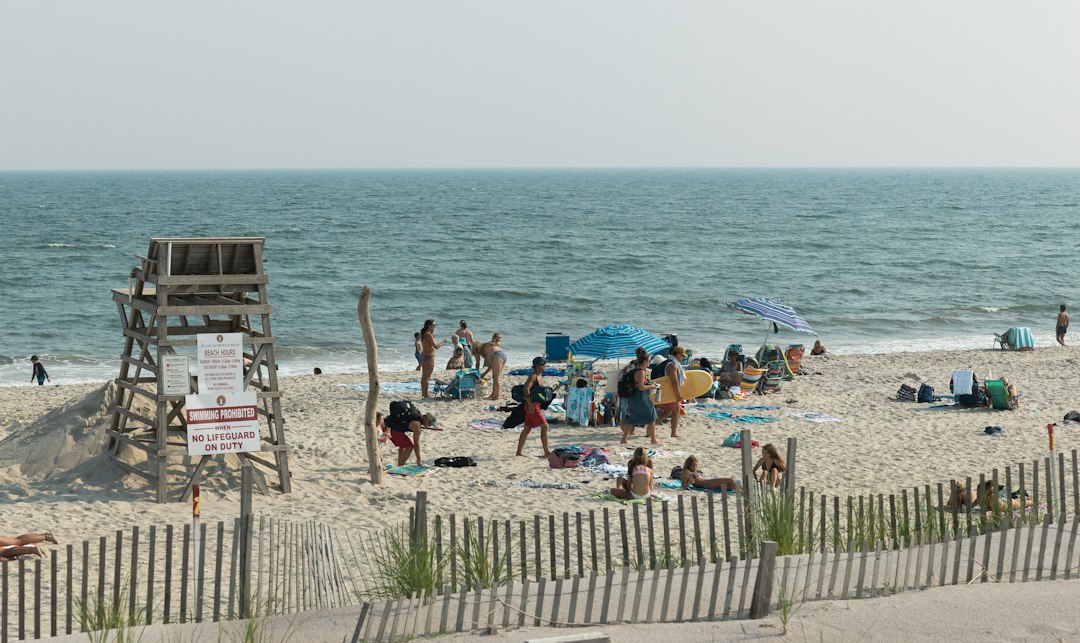
Tensions that had been simmering for years finally boiled over this week at Folly Beach City Hall. A packed council chamber, raised voices, and a split vote on a legal escalation to the South Carolina Supreme Court marked one of the most contentious short-term rental (STR) debates the small beach community has ever seen. For real estate professionals, investors, and property owners across the Charleston area, the outcome carries consequences that stretch well beyond Folly Beach’s six square miles of barrier island.
What Happened at the Folly Beach Council Meeting
The meeting drew residents, property owners, and investors who packed the chamber to debate the city’s future approach to short-term rental regulation. The immediate flashpoint was a split council vote on whether to refer the ongoing STR lawsuit to the South Carolina Supreme Court rather than continue fighting it through lower courts. Council members were divided along clear lines: those prioritizing neighborhood character and housing availability on one side, and those defending property rights and rental income on the other. The vote passed narrowly, setting the stage for a high-stakes legal showdown with statewide implications.
The Lawsuit That Triggered the Rule Changes
The current chaos traces directly to an August 14 ruling by a Charleston County judge who struck down Folly Beach’s cap on non-owner-occupied short-term rentals. The judge found that the city’s numerical cap on non-owner-occupied STR licenses lacked sufficient legal authority under South Carolina municipal law. The ruling did not eliminate all STR regulation on Folly Beach, but it did invalidate the specific mechanism the city had used to limit how many investor-owned properties could operate as short-term rentals. Existing non-owner-occupied license holders were left in a gray zone, and the city’s enforcement posture became immediately unclear.
Folly Beach STR Restriction Timeline
Folly Beach has been wrestling with short-term rental policy since at least 2021, when Ordinance 17-21 introduced the framework that would eventually lead to the cap. Subsequent ordinance readings failed or were tabled amid community disagreement. The city experimented with moratorium proposals and licensing freezes before finally implementing the non-owner-occupied cap that the court later invalidated. That years-long regulatory evolution reflects a community genuinely torn between protecting its residential character and acknowledging that short-term rental income is, for many owners, the primary financial justification for holding Folly Beach property.
What the Updated Airbnb Rules Actually Say
As of this week, Folly Beach still maintains a licensing requirement for all short-term rentals. The critical distinction in the city’s framework separates owner-occupied STRs (where the property owner lives on-site at least part of the year) from non-owner-occupied STRs (pure investment properties rented out entirely). Owner-occupied licenses were not the target of the invalidated cap and remain on more stable legal footing. Non-owner-occupied licenses are the ones caught in the current legal limbo. Enforcement of the cap is effectively paused pending the Supreme Court referral, but licensing requirements themselves remain active.
SC Supreme Court Referral: What It Means
By voting to escalate the case to the South Carolina Supreme Court, the Folly Beach council chose to seek a definitive ruling rather than risk further losses at the trial court level. The legal questions at stake center on how much authority South Carolina municipalities actually have to cap the number of short-term rental licenses they issue. The timeline for a Supreme Court decision is uncertain but could stretch into late 2027. The stakes are enormous: a ruling favorable to Folly Beach could empower coastal municipalities across the state to impose similar caps. A ruling against the city could strip those communities of one of their primary regulatory tools.
Three Possible SC Supreme Court Outcomes and What Each Means for Folly Beach
Analysts tracking the case see three plausible scenarios. First, the court could uphold the city’s authority to cap non-owner-occupied licenses, restoring the original ordinance and giving Folly Beach (and other SC municipalities) a clear legal basis for STR limits. Second, the court could affirm the lower court’s ruling and permanently invalidate numerical caps, effectively opening Folly Beach to unrestricted investor-owned STR growth. Third, and perhaps most likely in a closely divided case, the court could issue a narrow ruling that neither fully validates nor fully eliminates caps but sets new procedural requirements for how municipalities must justify them. Each scenario carries dramatically different implications for property values, investor strategies, and housing availability.
If You Own a Folly Beach STR: What to Do While the Case Is Pending
Current STR license holders should not assume their licenses are either fully protected or immediately at risk. The practical advice from local real estate attorneys familiar with the case is to keep licenses current, continue paying applicable fees, and document compliance carefully. Property owners should avoid major capital investments premised on STR income remaining uninterrupted, given the genuine possibility that a Supreme Court ruling could reimpose the cap retroactively or prospectively. Contacting the Folly Beach City Hall directly to confirm individual license status is strongly recommended, particularly for non-owner-occupied license holders.
Buying Folly Beach Property for Short-Term Rental? Here’s the Risk Picture
For investors considering a Folly Beach purchase specifically to generate Airbnb income, the current environment demands a clear-eyed risk assessment. Property prices on Folly Beach have historically been supported in part by the premium that STR income potential adds to valuations. If the Supreme Court rules against the city’s cap, that income potential strengthens. If the court upholds the cap, non-owner-occupied licenses could become scarce, and properties without an existing license could lose meaningful market value. Buyers should factor in at least an 18-to-24-month period of legal uncertainty, model their returns conservatively without STR income, and consult with a Charleston-area real estate attorney before closing.
How Folly Beach’s STR Rules Compare to Other Charleston-Area Municipalities
Folly Beach is not operating in isolation. The City of Charleston has its own STR licensing framework that distinguishes between owner-occupied and non-owner-occupied rentals and has faced its own legal and political pressures. Isle of Palms has historically taken a more permissive approach but has also seen community pushback as STR density increased. Sullivan’s Island has some of the strictest short-term rental limits in the region. What makes Folly Beach’s situation unique is the explicit legal challenge to the cap mechanism itself, which could set precedent that forces all of these communities to revisit their frameworks. Investors and property owners across the Charleston coast should be watching this case closely.
The Hidden Housing Cost: How Airbnb Restrictions Affect Folly Beach’s Long-Term Rental Market
There is a housing affordability dimension to this debate that rarely gets the attention it deserves. When properties shift from long-term rentals to short-term vacation rentals, they exit the local housing supply for workers, families, and year-round residents. On a small barrier island like Folly Beach, where the housing stock is inherently limited, even a modest conversion of long-term rentals to STRs can meaningfully tighten availability and push rents higher for those who remain. The STR cap, whatever its legal vulnerabilities, was partly motivated by a desire to preserve some portion of the island’s housing stock for non-vacation use. If the cap is permanently invalidated, the pressure on long-term rental availability could intensify, a concern that connects directly to the broader Charleston-area housing affordability challenges that Charleston Housing News readers know well.
Community Opposition and Support
The council meeting this week made clear that Folly Beach is a community divided. Long-term residents and neighborhood advocates argue that unchecked STR growth hollows out the community, replacing neighbors with rotating tourists and driving up property values beyond what working families can afford. Property owners and investors counter that short-term rental income is what makes ownership financially viable at current price levels, and that restricting it amounts to an unconstitutional taking of property rights. Neither side is entirely wrong, which is precisely why the South Carolina Supreme Court referral may ultimately be the only path to a resolution that both groups are forced to accept.
Frequently Asked Questions
Is the Folly Beach Airbnb cap still in effect after the judge’s ruling?
The non-owner-occupied STR cap was invalidated by the August 14 Charleston County court ruling. Enforcement of the cap is paused while the case is referred to the SC Supreme Court. General licensing requirements remain in place.
What did the Charleston County judge rule about Folly Beach short-term rentals?
The judge ruled that the city’s numerical cap on non-owner-occupied short-term rental licenses lacked sufficient legal authority under South Carolina law, effectively striking it down.
Can someone still get a short-term rental license on Folly Beach?
Yes, the licensing process is still active. However, the legal status of non-owner-occupied licenses in particular remains uncertain pending the Supreme Court case. Prospective applicants should contact the city directly for current guidance.
Why did Folly Beach send the STR lawsuit to the SC Supreme Court?
The council voted to escalate because the legal questions involved, specifically about municipal authority to cap STR licenses, are significant enough to warrant a definitive statewide ruling rather than continued lower-court litigation.
How do Folly Beach Airbnb rules compare to other Charleston-area beaches?
Folly Beach’s cap-based approach was more restrictive than Isle of Palms but less restrictive than Sullivan’s Island. The City of Charleston has its own licensing framework. The pending Supreme Court ruling could affect how all of these communities regulate STRs going forward.
What happens to existing Folly Beach STR licenses while the case is pending?
Existing licenses remain valid during the legal proceedings. Holders should keep their licenses current, maintain compliance documentation, and monitor the case for developments that could affect their status.
Leave a Reply