
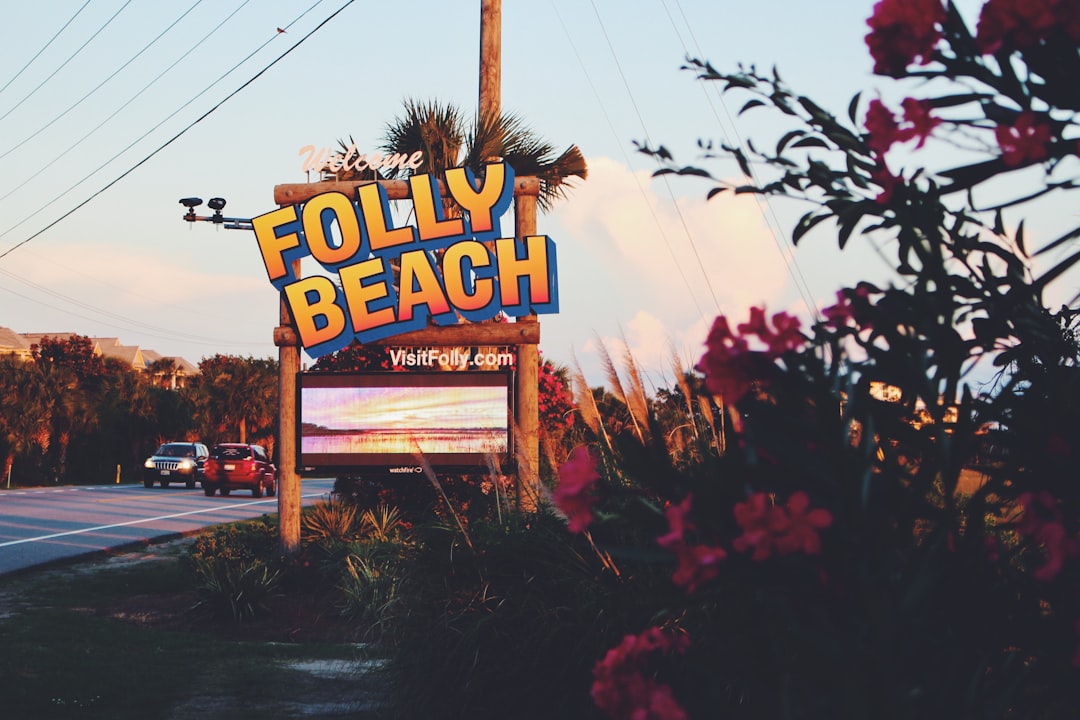
A legal challenge is now working its way through the South Carolina court system that could reshape how Folly Beach regulates and charges short-term rental operators, and the ripple effects may extend across the entire Charleston-area real estate market. Property owner David Chandler has filed a lawsuit against the City of Folly Beach seeking to recoup fees he says were unlawfully collected from short-term rental operators, and he is not stopping with his own property. The case has been filed as a proposed class action, meaning dozens, potentially hundreds, of STR owners could be entitled to refunds if the court sides with the plaintiff.
For local real estate investors, this case is more than a legal footnote. It raises fundamental questions about municipal authority, fee legitimacy, and the long-term regulatory risk of owning short-term rental property in coastal South Carolina.
The Lawsuit: What David Chandler Is Claiming
David Chandler owns a short-term rental property on East Cooper Avenue in Folly Beach. Like other STR operators in the city, he has been required to pay licensing and registration fees to legally operate his rental. His lawsuit contends that those fees were imposed under an ordinance that is legally invalid, meaning every dollar collected under that framework may be subject to repayment.
The suit is structured as a class action, which means Chandler is not only seeking a refund for himself. He is asking the court to certify a class of all Folly Beach STR owners who paid fees under the challenged ordinance. Depending on how many operators have been paying fees since the program took effect, the total liability for the city could be substantial.
Folly Beach’s Short-Term Rental Fee Structure Explained
Folly Beach has required STR operators to obtain a rental business license and pay annual registration fees as part of its effort to manage the volume and character of short-term rentals in the city. The fee program has included charges for initial licensing, annual renewal, and in some cases additional permit costs tied to inspections or compliance reviews.
Operators have also been required to submit documentation as part of the licensing process, including proof of ownership, property information, and in some cases evidence of compliance with local zoning and safety standards. These requirements have added both financial cost and administrative burden to STR ownership on Folly Beach.
The fee program was enacted as part of a broader regulatory push that the city launched in response to the rapid growth of platforms like Airbnb and Vrbo in the area. Folly Beach, as one of the most popular beach destinations near Charleston, saw a significant increase in short-term rental activity over the past decade, which prompted city leaders to impose licensing requirements they believed were within their legal authority.
The August 2026 Court Ruling That Changed Everything
The fee lawsuit does not exist in a vacuum. On August 14, 2026, a Charleston County judge issued a ruling that found Folly Beach’s cap on non-owner-occupied short-term rentals to be invalid under South Carolina law. That ruling is critical context for understanding why the fee lawsuit has legs.
The cap ruling found that the ordinance restricting the number of non-owner-occupied STRs exceeded the city’s municipal authority as defined under state law. If the underlying regulatory framework was invalid, the argument follows that fees collected pursuant to that framework may also lack legal standing. Chandler’s lawsuit leans into this logic directly.
Folly Beach has indicated it intends to defend its fee program and, in the case of the cap ruling, pursue an appeal. The city’s legal team is expected to argue that its fee structure is separate from the cap ordinance and rests on independent legal authority. However, the August 2026 ruling has already weakened the city’s position in the eyes of many legal observers and STR investors.
What SC Appeals Court Decisions Mean for Folly Beach STRs
South Carolina’s appellate courts have been increasingly asked to weigh in on the limits of municipal authority over short-term rentals. The central legal question is whether cities and towns have the power under South Carolina’s Home Rule Act to impose caps, fees, and licensing requirements on STRs, or whether that authority is limited or preempted by state law.
The August 2026 cap ruling suggests at least one judge believes Folly Beach overstepped. If that ruling is affirmed on appeal, it could set a precedent that constrains not just Folly Beach but other coastal municipalities across the Lowcountry that have enacted similar ordinances. Isle of Palms, Sullivan’s Island, and even the City of Charleston could face scrutiny of their own STR regulatory frameworks.
A Timeline of Folly Beach Short-Term Rental Regulation: From Ordinance to Courtroom
Understanding the full arc of Folly Beach’s STR regulatory history helps investors and owners assess their legal exposure:
- Early 2010s: Short-term rental activity on Folly Beach begins growing rapidly with the rise of Airbnb and similar platforms.
- Mid-2010s: Folly Beach introduces initial licensing and registration requirements for STR operators, including annual fees.
- Late 2010s to early 2020s: The city tightens its STR ordinance, adding a cap on non-owner-occupied rentals and expanding its fee schedule.
- 2024-2025: STR operators begin raising concerns about the legal basis of the fee program and cap restrictions.
- August 14, 2026: A Charleston County judge rules the non-owner-occupied STR cap invalid.
- Late 2026: David Chandler files a class-action lawsuit seeking to recoup STR fees paid under the challenged ordinance framework.
How Much Could Folly Beach STR Owners Recover? Breaking Down the Numbers
The potential refund amounts will depend on how many years of fees the court determines are recoverable and how many operators join the class. Folly Beach STR licensing fees have generally ranged from a few hundred to over one thousand dollars per year, depending on the property type and any additional permit costs.
If the class action is certified and covers, for example, five years of fee payments across 300 STR operators paying an average of $600 per year, the aggregate exposure for the city would approach $900,000. Individual refunds in that scenario would average around $3,000 per property, though owners who paid higher fees or have operated for longer periods could recover more. These figures are illustrative, but they underscore why this case matters financially to anyone who has operated an STR on Folly Beach.
How Folly Beach STR Rules Stack Up Against Other Charleston-Area Beach Towns
For investors comparing STR markets across the Lowcountry, regulatory risk varies significantly by location:
- Folly Beach: Has imposed licensing fees, registration requirements, and a non-owner-occupied cap now under legal challenge. Highest current regulatory uncertainty.
- Isle of Palms: Has its own STR ordinance with licensing requirements and caps in certain residential zones. Has faced legal scrutiny but has not yet seen the same level of court challenge as Folly Beach.
- Sullivan’s Island: Has taken a more restrictive approach, limiting STRs significantly. Fewer active STR operators but also fewer pending legal challenges to its fee structure.
- City of Charleston: Operates under a detailed STR ordinance that distinguishes between owner-occupied and non-owner-occupied rentals, requires permits, and charges annual fees. The Charleston STR permit system has been in place for several years and has faced its own debates about enforcement and fairness.
Folly Beach currently presents the highest regulatory uncertainty of the group, but a court ruling that limits municipal STR authority could trigger challenges in any of these markets.
Who Is Eligible to Join the Class Action?
The proposed class is expected to include all Folly Beach property owners who paid STR licensing or registration fees under the ordinance being challenged. Eligibility will likely hinge on whether the owner paid fees during the period the challenged ordinance was in effect and whether they operated a qualifying short-term rental property within city limits.
Owners do not typically need to take immediate action to preserve their right to join a class action, but they should monitor the case closely and consult with a real estate attorney to understand whether their situation qualifies.
Checklist for Folly Beach STR Owners: Protecting Your Rights During the Lawsuit
STR owners who believe they may be eligible to participate in the class action should take the following steps now:
- Gather all fee payment records: Collect receipts, bank statements, or city-issued invoices showing every STR fee paid to Folly Beach, including licensing, registration, and renewal charges.
- Retain copies of all licensing applications and approvals: These documents establish that you operated under the challenged ordinance and paid the associated fees.
- Note the dates of all payments: The court may limit the recovery period based on a statute of limitations, so documentation of payment dates is critical.
- Monitor the case docket: Follow the lawsuit’s progress through the Charleston County court system. Class certification hearings will be a key milestone.
- Consult a South Carolina real estate attorney: An attorney familiar with SC municipal law and class action procedures can advise on whether to opt in, file a separate claim, or simply wait for class certification.
- Continue complying with current requirements: Until a court order changes the legal landscape, STR operators should continue meeting Folly Beach’s licensing requirements to avoid separate enforcement issues.
If the Lawsuit Succeeds: What It Means for Short-Term Rental Investment in the Charleston Market
A plaintiff victory in the Chandler case would send a clear signal to municipalities across the Lowcountry: STR fee programs must rest on a solid legal foundation, or they risk being unwound in court. For investors, this outcome would have several important downstream effects.
First, it would validate the argument that municipal STR authority in South Carolina has meaningful limits, potentially encouraging similar challenges in Isle of Palms, Sullivan’s Island, and the City of Charleston. Second, it could create a chilling effect on new STR fee programs, reducing one layer of regulatory risk for investors considering coastal SC properties. Third, and perhaps most significantly, it would return real money to current Folly Beach STR owners, improving the economics of properties that have been burdened by fees of uncertain legality.
For buyers evaluating Folly Beach investment properties right now, the lawsuit is both a risk and an opportunity. The regulatory uncertainty may suppress prices in the short term, creating a potential entry point for investors who believe the legal challenges will ultimately favor property owners.
Frequently Asked Questions
What does the SC appeals court ruling mean for Folly Beach short-term rentals?
If the August 2026 cap ruling is upheld on appeal, it would confirm that Folly Beach lacked the legal authority to restrict non-owner-occupied STRs through its ordinance. This could also undermine the legal basis for the fee program being challenged in the Chandler lawsuit.
Is there a short-term rental ordinance in Charleston, South Carolina?
Yes. The City of Charleston has a detailed STR ordinance that requires permits, distinguishes between owner-occupied and non-owner-occupied rentals, and charges annual fees. It operates separately from Folly Beach’s ordinance but could face scrutiny if state courts narrow municipal STR authority broadly.
What fees do Folly Beach short-term rental owners have to pay?
Folly Beach has required STR operators to pay licensing fees, annual registration charges, and in some cases additional permit costs. The specific amounts have varied based on property type and the fee schedule in effect at the time of application.
Who is eligible to join the Folly Beach short-term rental class-action lawsuit?
The proposed class is expected to include property owners who paid STR fees to Folly Beach under the challenged ordinance. Owners should consult a real estate attorney to assess their eligibility and preserve their documentation.
Can Folly Beach legally cap non-owner-occupied short-term rentals?
A Charleston County judge ruled in August 2026 that the non-owner-occupied cap was invalid under South Carolina law. Folly Beach is expected to appeal, so the final answer remains pending.
How do Folly Beach short-term rental rules compare to other Charleston-area beach towns?
Folly Beach has among the most contested STR regulatory frameworks in the region. Isle of Palms and Sullivan’s Island also impose restrictions, while the City of Charleston operates a separate permit system. Folly Beach currently carries the highest regulatory and legal uncertainty for STR investors.
Leave a Reply