
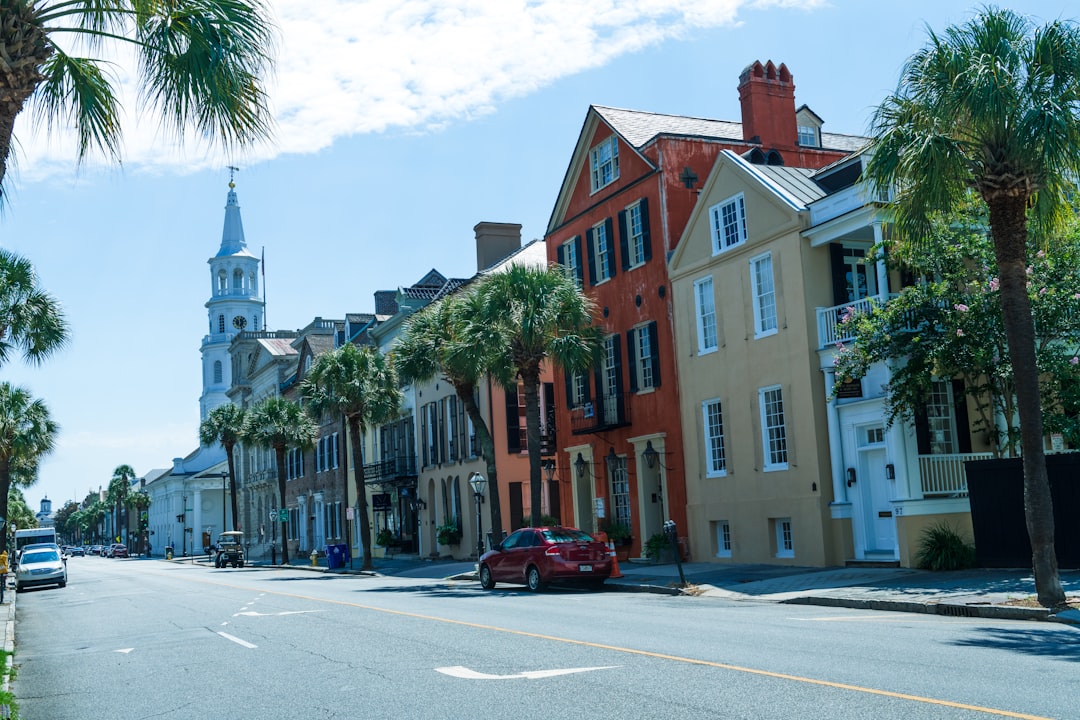
The Charleston housing market rarely sits still, and July 2026 is no exception. With mortgage rates finally showing signs of settling, inventory creeping upward, and buyer demand holding firm across most neighborhoods, this month’s data tells a nuanced story. Whether someone is planning to list, looking to buy, or simply tracking the market, the numbers coming out of Charleston County this July deserve a closer look than most reports provide.
Charleston Housing Market at a Glance: Key July 2026 Stats
Before diving into the analysis, here is a quick-reference summary of where the market stands right now:
- Total homes sold (July 2026): Approximately 1,340 closed transactions in Charleston County
- Median sale price: $512,000 (countywide)
- Average days on market: 38 days
- List-to-sale price ratio: 97.2%
- Active listings: Roughly 4,100
- Months of supply: 3.1 months
- Year-over-year price change: Up approximately 4.3%
- Month-over-month sales volume change: Up 6% from June 2026
These figures position Charleston in a transitional zone, leaning seller-favorable but with growing room for buyer negotiation compared to the frenzied conditions of 2021 through 2023.
Median Home Prices in Charleston: Where They Stand Now
The countywide median sale price of $512,000 in July 2026 sits just below the all-time peak of $527,000 recorded in spring 2024. Over the past 12 months, prices have appreciated at a measured pace of roughly 4.3%, a significant cooldown from the double-digit gains of prior years but still well above the national average appreciation rate.
Price per square foot has also stabilized, hovering around $248 countywide. For context, that figure was closer to $195 in early 2021, underscoring just how dramatically values have shifted over a five-year window. The trajectory now suggests a market finding its floor rather than accelerating further.
Neighborhood-by-Neighborhood Price Breakdown
Charleston’s submarkets tell very different stories, and lumping them together misses the real picture.
- Mount Pleasant: Remains the priciest suburban submarket, with a median around $625,000. Demand from families and relocating professionals keeps this area competitive.
- Downtown Charleston: Median prices hover near $720,000, driven by limited inventory, historic appeal, and short-term rental potential. Condos and attached homes are moving faster here than single-family detached.
- Daniel Island: Median near $680,000. Planned community amenities and proximity to employers continue to attract buyers willing to pay a premium.
- West Ashley: More accessible at a median of roughly $410,000. Inventory has increased here, giving buyers slightly more leverage.
- James Island: Median around $460,000. A perennial favorite for buyers priced out of downtown who still want proximity to the peninsula.
- Johns Island: One of the most active growth corridors in the region, with a median near $395,000. New construction is a significant driver here, and this submarket is worth watching closely through the rest of 2026.
Inventory and Supply Trends Shaping the Market
Active listings in Charleston County reached approximately 4,100 in July 2026, a notable improvement from the sub-2,500 counts seen in late 2022 and early 2023. At 3.1 months of supply, the market technically still favors sellers (a balanced market sits around 4 to 6 months), but the trend line is moving toward equilibrium.
New construction is playing a meaningful role in this inventory recovery, particularly on Johns Island, Summerville, and in the Cainhoy peninsula area. Builders have been more willing to offer incentives, including rate buydowns and closing cost assistance, which is pulling some buyers away from the resale market and indirectly softening prices in competing neighborhoods.
The Hidden Cost Factor: Insurance Premiums Reshaping Charleston Affordability
Most market reports focus exclusively on sale prices and mortgage rates. What they consistently overlook is the insurance burden, and in Charleston, that omission is significant.
Homeowners insurance premiums in coastal South Carolina have surged by an estimated 30 to 45% over the past three years, driven by increased hurricane exposure modeling, reinsurance cost increases, and several carriers reducing their coastal footprints. For homes in flood zones, which covers a substantial portion of Charleston County, FEMA’s Risk Rating 2.0 methodology has pushed National Flood Insurance Program premiums sharply higher for many properties.
A buyer purchasing a $512,000 home in a moderate flood zone may now face combined insurance costs of $6,000 to $10,000 annually, a carrying cost that meaningfully erodes purchasing power. This is a primary reason some residents are reconsidering ownership in lower-lying areas, and it is one of the most underreported drivers of out-migration among long-term locals.
Mortgage Rates and Affordability in Mid-2026
The 30-year fixed mortgage rate as of July 2026 sits in the 6.4 to 6.7% range, down from the 7.5% peaks seen in late 2023 but still well above the sub-3% environment that defined the pandemic era. The Federal Reserve has signaled a cautious posture, with markets pricing in one additional rate cut before year-end 2026.
At current rates, a buyer financing 80% of a $512,000 home faces a monthly principal and interest payment of approximately $2,580, before taxes, insurance, and HOA fees. To qualify comfortably under standard debt-to-income guidelines, a household income of roughly $95,000 to $105,000 is needed. Charleston’s median household income sits closer to $72,000, which explains why affordability remains a genuine challenge for many local buyers and why relocation buyers with remote income tend to dominate upper price tiers.
Why Charleston’s Economy Continues to Drive Housing Demand
Despite affordability headwinds, demand holds firm for one simple reason: Charleston’s economy keeps delivering. The Port of Charleston continues to rank among the fastest-growing ports on the East Coast. Boeing’s presence, a growing tech and cybersecurity sector, and consistent healthcare sector expansion have diversified the local job base considerably.
In-migration from higher-cost metros, particularly the Northeast and California, remains a structural tailwind. Remote workers and retirees with equity from pricier markets are arriving with purchasing power that local buyers simply cannot match. This dynamic is unlikely to reverse in the near term.
Investor and Short-Term Rental Activity: How It’s Affecting Charleston Home Prices
Investor activity in Charleston deserves direct attention because it shapes inventory in ways that casual market observers miss. Short-term rental platforms like Airbnb and Vrbo have made properties in downtown Charleston, Sullivan’s Island, and Isle of Palms highly attractive to investors seeking income-producing assets.
Investor purchases, including both institutional and individual buyers, accounted for an estimated 14 to 18% of transactions in Charleston County over the past year. This level of investor activity compresses the supply available to owner-occupants and adds upward price pressure in the most desirable short-term rental corridors. The City of Charleston has tightened short-term rental regulations, but enforcement remains inconsistent, and investor appetite has not meaningfully cooled.
How Charleston Stacks Up Against Other Southeast Housing Markets
Context matters when evaluating whether Charleston prices are justified. Compared to peer Sun Belt metros competing for the same relocating buyers:
- Raleigh, NC: Median around $445,000. Lower price point but also facing significant inventory challenges and comparable insurance costs in flood-prone areas.
- Nashville, TN: Median near $490,000. Strong job market but higher property taxes partially offset the price advantage.
- Greenville, SC: Median around $320,000. Offers significantly more affordability and has been absorbing some overflow demand from Charleston.
Charleston commands a premium over most Southeast peers, justified by its coastal lifestyle, historical appeal, and strong tourism economy. However, that premium is increasingly tested by insurance costs and affordability constraints that other inland metros do not face to the same degree.
What the July 2026 Data Really Means for Buyers and Sellers
The list-to-sale price ratio of 97.2% tells an important story: buyers are no longer routinely offering above asking price, and sellers who overprice are seeing their listings sit. The average 38 days on market is up from 22 days in July 2022, signaling a market that rewards realistic pricing over wishful thinking.
For sellers, the window of effortless, multiple-offer sales has closed. Strategic pricing, strong presentation, and flexibility on terms are now the differentiators. For buyers, the market is offering more breathing room than at any point since 2019, though affordability constraints remain real.
Your July 2026 Action Checklist: Steps for Buyers and Sellers Right Now
For buyers:
- Get pre-approved and lock in a rate comparison from at least three lenders before touring homes
- Request full insurance cost estimates, including flood insurance, before making any offer
- Prioritize homes with 35 or more days on market, where sellers are more likely to negotiate
- Explore new construction in Johns Island and Summerville for builder incentives
- Factor HOA fees and flood zone designation into your total monthly cost calculation
For sellers:
- Price at or slightly below recent comparable sales to attract offers in the first two weeks
- Disclose insurance costs proactively; buyers will find out and it builds trust
- Invest in professional photography and pre-listing inspection to reduce buyer negotiation leverage
- Be prepared to offer closing cost credits rather than price reductions to preserve your sale price optics
Frequently Asked Questions About the Charleston Housing Market
Are home prices dropping in Charleston?
Prices are not dropping broadly, but appreciation has slowed considerably. Some individual neighborhoods, particularly those with high insurance exposure or new construction competition, are seeing modest price softening. The countywide median is up 4.3% year-over-year as of July 2026.
Is now a good time to buy a house in Charleston, SC?
For buyers with stable income and a long-term horizon, conditions are more favorable than they were in 2022 and 2023. More inventory, longer days on market, and a list-to-sale ratio below 100% all favor buyers. The key is accounting for total carrying costs, especially insurance.
Why are people moving out of Charleston, SC?
Rising home prices, surging insurance premiums, flood risk concerns, and a higher overall cost of living are the primary drivers pushing some long-term residents toward more affordable inland markets like Greenville, Columbia, and even out-of-state destinations. This is particularly pronounced among renters and lower-income homeowners.
Is the Charleston housing market going down?
The market is cooling and rebalancing, but a significant downturn is not indicated by current data. Structural demand drivers, including job growth, in-migration, and limited coastal land supply, continue to support prices at elevated levels.
Charleston’s housing market in July 2026 is a market in transition, not collapse. For residents, professionals, and investors navigating it, the advantage goes to those who look beyond the headline numbers and understand the full picture, neighborhood by neighborhood, cost by cost.
Article written by Casper
Leave a Reply