
By Jennifer Jordan | Charleston Housing News
For many Americans, the dream of homeownership feels increasingly out of reach.
A newly released report from Harvard University’s Joint Center for Housing Studies paints a sobering picture of today’s housing market, finding that the income required to afford a median-priced home in the United States has nearly doubled since 2020.
The findings help explain why so many prospective buyers across Charleston and the nation continue to sit on the sidelines despite a growing number of homes coming to market.
The Cost of Homeownership Has Changed Dramatically
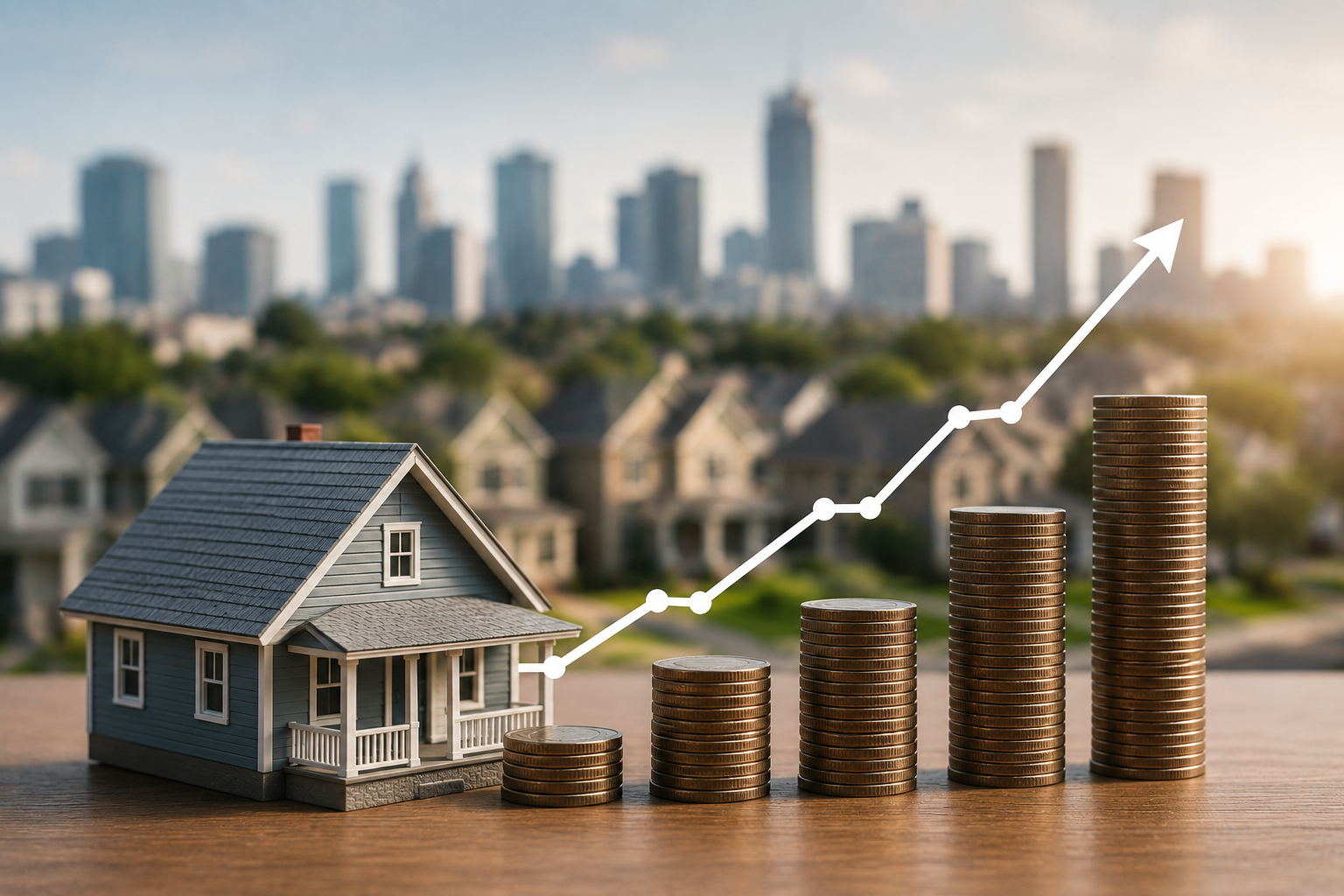
According to the report, the typical existing home price in America has increased approximately 54 percent since early 2020. Today, median home prices nationally exceed $400,000 and now stand at roughly five times the nation’s median household income.
Historically, housing experts have viewed a home price-to-income ratio of three-to-one as a healthy and sustainable market.
Today’s ratio is significantly higher.
Perhaps even more striking, the annual household income needed to comfortably afford a median-priced home has risen from approximately $66,000 in 2020 to more than $120,000 in 2026.
For many middle-class families, wages simply have not kept pace.
Charleston Buyers Are Feeling the Same Pressure
The affordability challenges described in the national report are very familiar to buyers throughout the Charleston region.
Over the past five years, Charleston, Mount Pleasant, Summerville, and much of Berkeley and Dorchester counties experienced substantial home price appreciation as thousands of new residents relocated to the Lowcountry.
While inventory has improved in 2026 and bidding wars have become less common, affordability remains one of the market’s biggest obstacles.
Many buyers who qualified for homes in the $600,000 price range when mortgage rates were below 3 percent now find themselves shopping in a dramatically lower price category.
Higher interest rates have fundamentally changed buying power.
A family purchasing a home today often faces monthly housing costs that are thousands of dollars higher than buyers who purchased just a few years ago.
Mortgage Rates Continue to Impact Demand
Mortgage rates remaining above 6 percent continue to weigh heavily on housing demand nationwide.
The Harvard report noted that monthly principal and interest payments on a median-priced home climbed from approximately $1,700 in early 2020 to more than $3,100 by late 2025.
That dramatic increase has caused many potential buyers to postpone homeownership entirely.
Locally, Charleston real estate professionals continue to report that buyers remain active but far more selective than they were during the pandemic housing boom.
Homes that are properly priced and presented well continue to sell, but unrealistic pricing strategies are increasingly being rejected by today’s market.
Inventory Is Improving, But Affordability Remains Elusive
One encouraging trend for buyers is that housing inventory has steadily increased across many Charleston-area markets throughout 2026.
More choices generally create better negotiating opportunities and reduce some of the intense competition buyers faced during recent years.
However, increased inventory alone may not fully solve affordability concerns.
New construction activity has slowed nationally, with single-family housing starts declining during the past year. Builders continue to face elevated labor costs, higher insurance expenses, material price volatility, and financing challenges.
Those factors continue to place upward pressure on home prices.
Economic Uncertainty Is Also Affecting Buyers
The report found that slower job growth and declining consumer confidence are further suppressing housing demand.
Consumers are understandably hesitant to make one of the largest financial decisions of their lives when economic conditions appear uncertain.
This trend is particularly evident among younger households and first-time buyers, many of whom are delaying household formation, remaining renters longer, or continuing to live with family while they save for a down payment.
The median age of first-time homebuyers has climbed to record highs as a result.
What Happens Next?
Despite today’s affordability challenges, many economists believe demographic demand will continue to support housing markets over the long term.
Charleston remains one of the nation’s most desirable relocation destinations due to its coastal lifestyle, employment opportunities, quality schools, and strong economy.
The question moving forward is whether housing supply can grow quickly enough to improve affordability while still meeting the area’s continued population growth.
For buyers waiting on significantly lower home prices, that outcome remains uncertain.
History suggests that while housing markets move in cycles, Charleston’s long-term fundamentals remain exceptionally strong.
For many buyers, the challenge may not be deciding whether to purchase a home, but rather determining when waiting becomes more expensive than buying.
As affordability pressures continue to mount, that may become one of the most important financial questions facing Lowcountry families.
Leave a Reply