
By Jennifer Jordan
West Ashley at a Crossroads: Tree Removal Fight Highlights Bigger Development Pressures in Charleston
In one of Charleston’s fastest-growing corridors, a new development proposal in West Ashley is bringing a familiar Lowcountry debate back into focus: how much growth is too much—and at what cost?
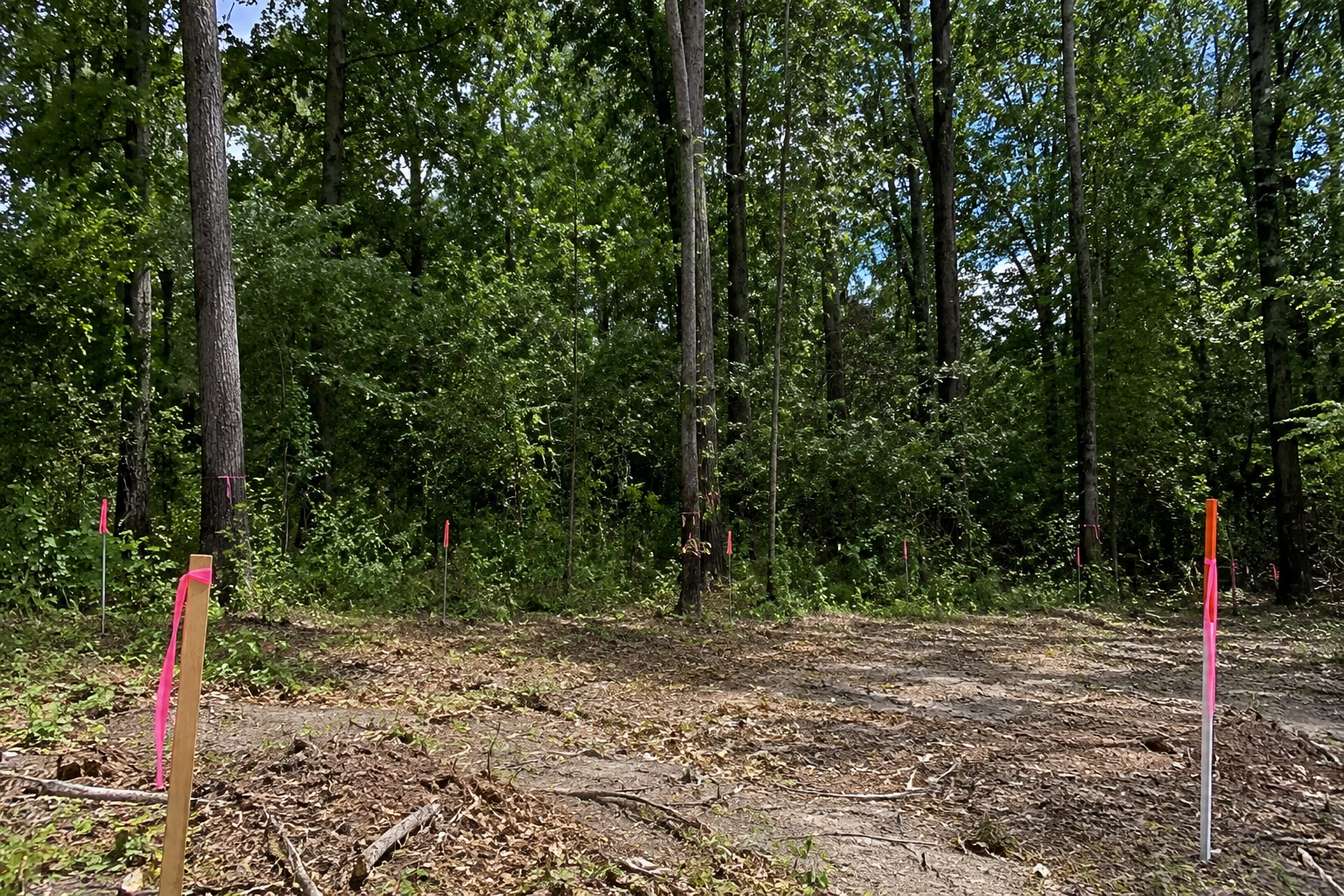
A Mount Pleasant-based engineering firm has requested permission to remove dozens of protected trees, including grand oaks, to make way for a large apartment community off Bees Ferry Road. While the scope of the project has already been reduced, the reaction from nearby residents has been swift and unified.
But beyond the immediate controversy, this situation reveals something much bigger about where the Charleston housing market is heading.
The Proposal—and the Pushback
The proposed development near Grand Oaks Boulevard would bring hundreds of new apartment units to an area already experiencing rapid expansion.
To make the project feasible, the developer is seeking variances to remove a significant number of trees, including:
- Grand trees (24 inches+ in diameter)
- Protected trees governed by Charleston regulations
Even after scaling back the original plan, opposition remains strong.
Residents have raised concerns about:
- Loss of tree canopy and neighborhood character
- Increased flooding risk in the Church Creek basin
- Traffic congestion along Bees Ferry Road and surrounding corridors
- Infrastructure strain from continued population growth
Public feedback has been overwhelmingly against the proposal ahead of zoning discussions.
Why This Matters Beyond One Project
This isn’t just about trees.
It’s about the collision between Charleston’s growth and its identity.
West Ashley, long considered one of the more attainable areas in Charleston, is now under intense development pressure. Thousands of homes are planned or underway within just a few miles, fundamentally reshaping the area.
Communities along:
- Bees Ferry Road
- Glenn McConnell Parkway
are seeing a level of growth that’s beginning to outpace infrastructure upgrades.
And that’s where the tension lies.
The Infrastructure Reality
Charleston’s growth has never been evenly matched with infrastructure expansion—and West Ashley is a prime example.
Residents aren’t just reacting emotionally to tree removal. They’re responding to real, compounding pressures:
- Road capacity already strained during peak hours
- Ongoing construction detours affecting traffic flow
- Flood-prone zones where development decisions carry long-term consequences
In areas like the Church Creek drainage basin, even small changes to land use can have outsized impacts.
Removing large tree coverage—especially mature trees—can:
- Reduce natural water absorption
- Increase runoff
- Amplify flooding risk during heavy rain events
These concerns aren’t theoretical. They’re grounded in what many West Ashley residents have already experienced.
The Charleston Growth Equation
At the same time, Charleston continues to face a housing supply challenge.
Demand remains strong, and the need for:
- Rental housing
- Workforce housing
- Attainable price points
is very real.
Developers argue that projects like this are necessary to meet that demand.
And they’re not wrong.
But the question isn’t whether Charleston should grow.
It’s how—and where—that growth happens.
A Market Under Pressure
What makes this moment particularly important is timing.
Charleston’s housing market is beginning to show signs of slowing:
- Buyer activity has become more selective
- Days on market are increasing in some segments
- Price growth has leveled off in many areas
At the same time, inventory—especially in new construction—is rising across the broader Southern market, giving buyers more options.
That shift creates a new dynamic:
Developers are under pressure to deliver housing…
But communities are pushing back harder than before.
The Bigger Trend: Resistance to Density
West Ashley is not alone.
Across Charleston, similar debates are emerging:
- Higher-density projects vs. existing neighborhood character
- Tree preservation vs. land utilization
- Growth vs. livability
What’s different now is the intensity.
Residents are more organized.
More vocal.
And more aware of long-term consequences.
What Happens Next
The outcome of this specific proposal will ultimately be decided through Charleston’s zoning and public review process.
But regardless of the decision, one thing is clear:
This is not an isolated fight—it’s part of a larger shift in how Charleston approaches growth.
The Bottom Line
Charleston is entering a new phase.
The era of unchecked expansion is giving way to something more complex:
- Slower market conditions
- More scrutiny on development
- Greater tension between housing demand and community preservation
West Ashley is simply where that reality is becoming impossible to ignore.
Leave a Reply